
Food & Drinks
Chinatown Hawker Leftovers Consumption: Inside the Hidden Food Culture

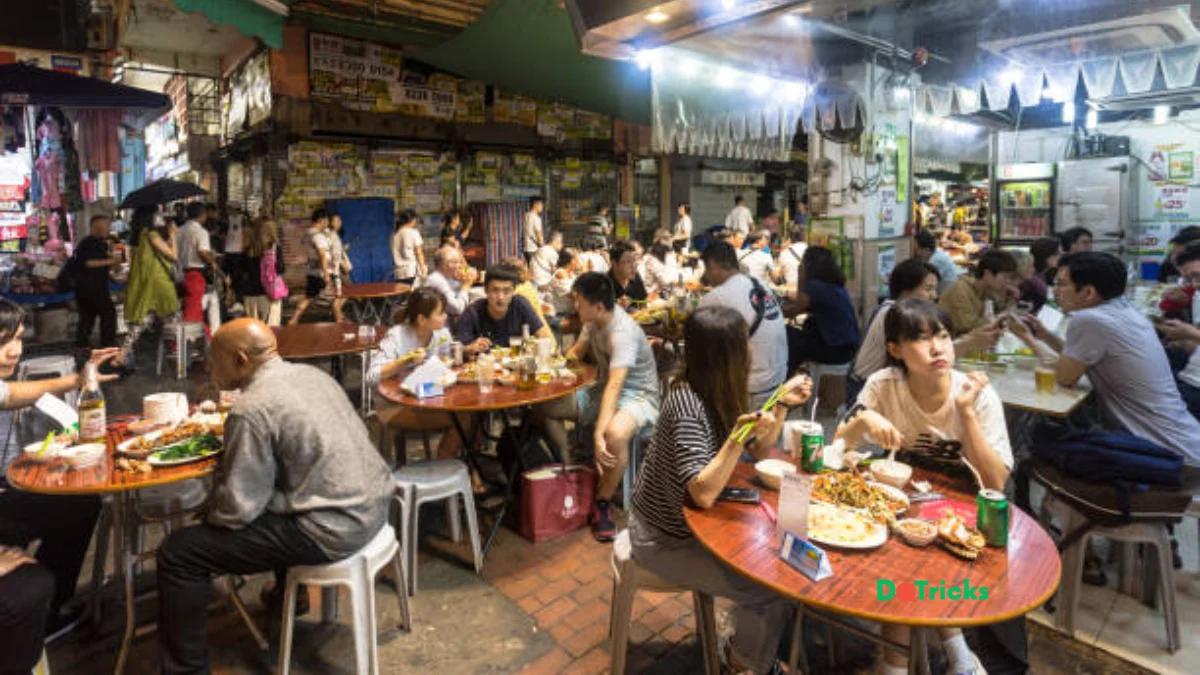
Introduction to Chinatown Hawker Leftovers Consumption
Chinatown is a bustling tapestry of culture, colors, and culinary delights. Among its vibrant streets lies an often-overlooked treasure: the practice of consuming hawker leftovers. Chinatown hawker leftovers consumption hidden food culture not only showcases the resilience and creativity of local vendors but also invites adventurous eaters to explore flavors that might otherwise go uneaten. Imagine wandering through fragrant stalls, where delectable dishes are wrapped up for those willing to embrace yesterday’s bites. Delve into this intriguing aspect of Chinatown’s food scene as we uncover the history, benefits, and best spots for experiencing hawker leftovers firsthand. Join us on a flavorful journey through the heart of Chinatown’s culinary landscape!
History and Evolution of Hawker Centers in Chinatown
Hawker centers in Chinatown have a rich history that reflects the vibrant tapestry of urban life. Initially, these food stalls began as humble street vendors, offering affordable meals to workers and locals.
In the late 19th century, Chinese immigrants settled in cities worldwide, bringing with them culinary traditions and flavors. Their reliance on inexpensive ingredients made hawker food accessible to all.
As demand grew, so did the structure of these eateries. The government recognized their importance for both culture and community. By establishing designated hawker centers, they promoted hygiene while preserving this essential aspect of social dining.
Chinatown’s hawker scene continued evolving through modernization yet retained its charm. Today’s stalls not only serve traditional dishes but also experiment with fusion cuisine—a testament to how heritage can adapt over time while remaining deeply rooted in cultural identity.
The Culture of Eating Leftovers in Chinatown
In Chinatown, the culture of eating leftovers is woven into the fabric of daily life. It’s not just about saving food; it’s a celebration of flavors and resourcefulness.
Stalls often serve up hearty portions, leaving behind delicious remnants at day’s end. Vendors frequently offer these extras at discounted prices, inviting thrifty diners to indulge without breaking the bank.
The practice fosters community connections as neighbors share tips on where to find the best deals. Conversations spark around tables filled with diverse dishes that boast rich histories.
Eating leftovers also signifies respect for culinary craftsmanship. Each bite carries stories from generations past a reminder that nothing should go to waste when it’s crafted with love and care.
As you stroll through bustling streets, keep an eye out for those vibrant stalls ready to dish out yesterday’s treasures. In Chinatown, every leftover tells a tale waiting to be savored again.
The Benefits and Controversies of Consuming Hawker Leftovers
Consuming hawker leftovers in Chinatown presents a fascinating blend of benefits and controversies. One major advantage is the cost savings. Diners can enjoy delicious meals at a fraction of the price, making it accessible to many.
Additionally, this practice reduces food waste. By giving leftover food a second life, patrons contribute to sustainability efforts in their community. It’s an eco-friendly choice that resonates with environmentally conscious eaters.
However, there are concerns about hygiene and food safety. Some argue that consuming unsold dishes could pose health risks if not handled properly. Vendors often face scrutiny for how they manage these leftovers.
Cultural perceptions also play a role; some see eating leftovers as unrefined or undesirable while others embrace it as part of everyday life in bustling markets like Chinatown. This dichotomy fuels ongoing discussions about food value and social norms within urban dining experiences.
Insider’s Guide to the Best Hawker Stalls for Leftovers
For the best Chinatown hawker leftovers, it’s all about timing and location. Early evening is prime time when stalls begin to mark down their unsold dishes. You can snag delicious meals at a fraction of the price.
Head straight to Tiong Bahru Market for some hidden gems. The chicken rice stall often has leftover portions that are just as flavorful and satisfying as fresh ones.
Don’t overlook Maxwell Food Centre either. Many vendors here offer generous servings at discounted rates near closing time. The curry puffs from one particular stall are legendary—they taste even better with a bit of age.
Also, consider exploring lesser-known stalls tucked away in side streets; they frequently have unique offerings that don’t make it into mainstream conversations but boast fantastic flavors nonetheless. Keep an open mind and enjoy the thrill of discovery!
How Hawker Leftovers Contribute to Sustainability?
Hawker leftovers are more than just second-hand meals; they play a vital role in promoting sustainability. By embracing the practice of consuming leftover food, we help reduce waste significantly.
Every day, countless delicious dishes remain uneaten at hawker centers. These tasty morsels can easily find new homes instead of ending up in the trash. When food is consumed rather than discarded, it lessens our environmental impact and conserves resources used for production.
Moreover, many hawkers have started to embrace this culture by offering discounts on their unsold items as closing time approaches. This not only encourages customers to buy but also fosters a sense of community among those who appreciate good food without excess waste.
By choosing leftovers from local stalls, you support small businesses while making eco-friendly choices that benefit our planet’s future.
Conclusion: Embracing the Hidden Food Culture of Chinatown Hawker Leftovers
Chinatown Hawker Leftovers Consumption is a vibrant aspect of the food culture that deserves recognition. It reflects the resourcefulness and creativity of locals who have turned what could be waste into culinary treasures. Embracing this practice not only supports small businesses but also fosters community connections.
As diners, we can learn to appreciate every morsel left behind, understanding that each bite has a story woven into it. This hidden gem within Chinatown’s bustling streets invites us to savor flavors that others might overlook. By indulging in hawker leftovers, we become part of something bigger a movement towards sustainability and mindful eating.
Engaging with these remnants offers an authentic experience steeped in tradition while promoting environmental responsibility. So next time you find yourself wandering the colorful alleys of Chinatown, consider diving into its rich tapestry of hawker leftovers. You just might discover your next favorite dish waiting at the bottom of a takeout box or tucked away on a stall’s counter, echoing tales from generations past.

Introduction to Chef Gotxen Godolix
Meet Chef Gotxen Godolix, a culinary maestro who has taken the art of cooking to new heights. With a flair for organization and an innate ability to blend flavors from around the globe, Chef Gotxen is not just another chef; he’s a kitchen magician. His approach transforms chaotic meal prep into seamless orchestration, where every ingredient finds its perfect place.
In a world filled with distractions and fast-paced schedules, cooking can often feel overwhelming. But under Chef Gotxen’s guidance, it becomes an enjoyable adventure. Whether you’re preparing weeknight dinners or hosting lavish feasts, embracing his methods will elevate your kitchen game while making it more efficient and flavorful than ever before. Let’s dive into the secrets behind organized and flavorful cooking that have made Chef Gotxen Godolix a household name in culinary circles.
The Importance of Organization in Cooking
Organization in cooking is the secret ingredient that separates a good meal from a great one. When your kitchen is tidy, you can focus on what truly matters—creating delicious dishes.
Imagine reaching for an ingredient without rummaging through cluttered cabinets. It saves time and reduces stress. With everything in its place, you’re free to experiment and innovate with recipes.
An organized workspace inspires creativity. You’re more likely to try new techniques or flavors when chaos doesn’t cloud your mind.
Additionally, prepping ingredients ahead of time allows for smoother transitions between cooking steps. This not only enhances efficiency but also elevates the overall quality of your meals.
Organization transforms cooking into a joyful experience rather than a daunting task. A well-arranged kitchen invites exploration and culinary adventures every time you step inside it.
Key Tips for an Organized Kitchen
An organized kitchen is the heart of successful cooking. Start by decluttering your counters and keeping only essentials within reach. This creates a calm workspace.
Invest in quality storage solutions. Use clear containers for grains, spices, and dry goods. Label everything to find ingredients quickly when inspiration strikes.
Utilize vertical space with shelves or hooks for pots and pans. Hanging utensils not only saves room but adds a touch of decor too.
Create designated zones: prep areas, cooking spaces, and cleaning stations. This flow keeps you focused on each task without distractions.
Clean up gradually as you work. A tidy kitchen motivates creativity while preventing chaos during meal prep sessions.
Embrace routine organization checks reassessing your setup encourages efficiency over time.
Utilizing Seasonal Ingredients for Maximum Flavor
Using seasonal ingredients can transform your dishes from ordinary to extraordinary. When you choose produce that’s in season, you’re tapping into the peak of flavor and freshness. It’s all about timing.
Imagine biting into a sun-ripened tomato in summer or savoring sweet squash in autumn. These ingredients not only taste better but are often more affordable too. Local markets burst with vibrant colors during these months, making shopping an adventure.
Chef Gotxen Godolix emphasizes this approach in his cooking philosophy. He believes that understanding what’s available at different times of the year enhances creativity and inspires new recipes.
Incorporating seasonal elements creates a connection between the plate and nature’s rhythm. You’re not just following trends; you’re celebrating what the earth has to offer each season, which brings depth to every meal you prepare.
Secrets Behind Chef Gotxen’s Signature Dishes
Chef Gotxen Godolix crafts each signature dish with a blend of passion and precision. Every plate tells a story, rooted in both tradition and innovation.
One secret lies in his meticulous attention to detail. He believes that every ingredient must shine on its own yet harmonize with others. This balance creates depth in flavor profiles.
Another key aspect is the technique of layering flavors. Chef Gotxen often starts with a robust base—like homemade stocks or marinades then builds complexity through spices and herbs tailored to seasonal ingredients.
Presentation also plays an essential role. Each dish is not just food; it’s art meant to engage all senses. The colors, textures, and arrangements elevate the dining experience beyond mere sustenance.
Curiosity drives him to explore global influences, infusing unexpected elements into classic recipes, making them uniquely his own while honoring their roots.
Incorporating Global Flavors into Everyday Cooking
Incorporating global flavors into everyday cooking can transform your meals from ordinary to extraordinary. Exploring various cuisines opens up a world of taste and creativity.
Start with spices. A pinch of cumin or a dash of smoked paprika can elevate simple dishes. Experimenting is key; don’t be afraid to mix and match flavors.
Fresh herbs also play a crucial role in adding vibrancy. Basil, cilantro, or mint can brighten up any meal. Try infusing oils with these herbs for an aromatic touch.
Moreover, consider using sauces that celebrate global influences. Thai chili paste, Japanese soy sauce, or Italian pesto brings depth and character to your recipes.
Embrace the art of fusion cooking. Combine elements from different cultures for unique creations that reflect your culinary journey while satisfying diverse palates at the same time.
Conclusion: Embracing Organization and Creativity in the Kitchen with Chef Gotxen Godolix
Chef Gotxen Godolix inspires both novice and seasoned cooks alike. His approach to cooking emphasizes the harmony between organization and creativity. By adopting his techniques, you can transform your kitchen into a space that encourages culinary exploration.
Embracing organization allows for more focus on flavors and presentation. When your ingredients are in order, each meal becomes an opportunity to express yourself through food. Seasonal ingredients spark joy and elevate dishes, making every bite a celebration of taste.
With Chef Gotxen’s tips on incorporating global flavors, everyday meals become extraordinary experiences. Each recipe tells a story while inviting fresh ideas into your cooking routine.
The journey of becoming an organized cook is about finding balance between structure and innovation. As you delve deeper into this culinary world with inspiration from Chef Gotxen Godolix, remember that every dish has the power to bring people together around the table. Embrace this adventure with confidence; delicious outcomes await!
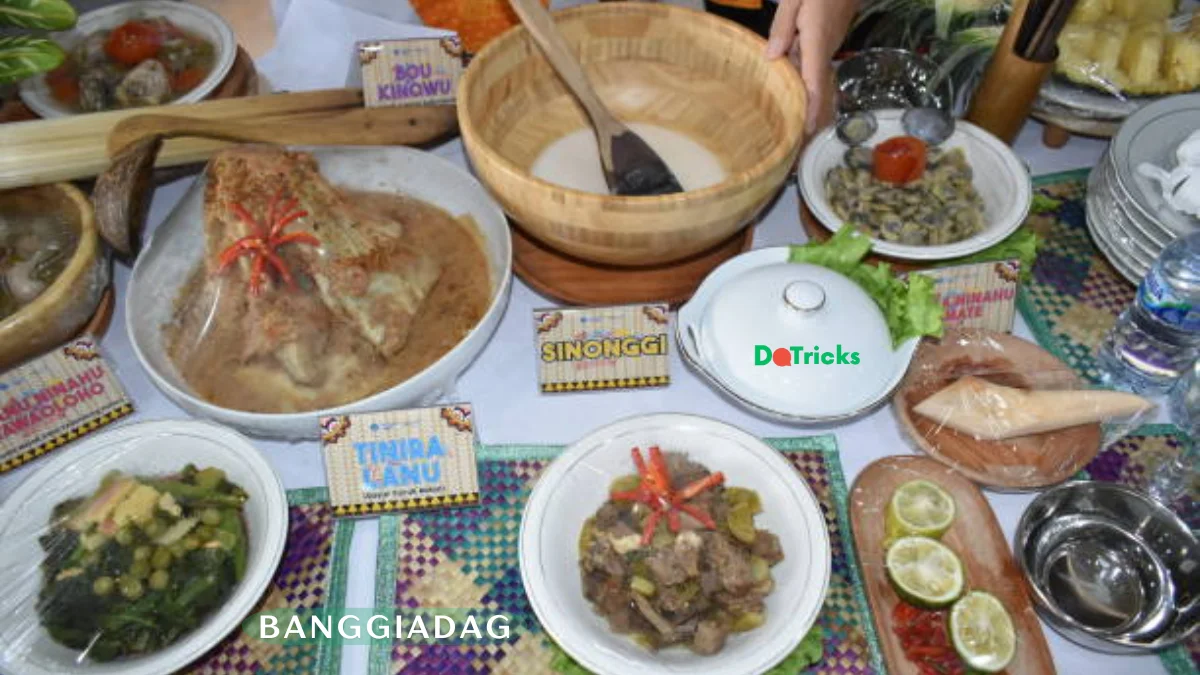
Introduction to Banggiadag
Nestled in the heart of vibrant landscapes and rich traditions lies Banggiadag, a place where heritage is woven into the very fabric of daily life. This enchanting destination offers more than just stunning scenery; it embodies a unique blend of culture, spirituality, and economic vitality. As you wander through its villages, you’ll discover how the indigenous people have shaped their identity over generations. From traditional food that tells stories to rituals steeped in history, every aspect reflects a deep connection to their roots. Join us as we explore how Banggiadag’s heritage not only nurtures faith but also fuels local economies while paving the way for sustainable tourism amid modern challenges.
The Indigenous People of Banggiadag and their Culture
The Indigenous people of Banggiadag hold a rich tapestry of traditions that define their identity. Their culture is deeply intertwined with the land, reflecting centuries of history and resilience.
Language plays a crucial role in their daily lives, serving as a vessel for oral histories and storytelling. This unique dialect carries wisdom passed down through generations.
Artisanship flourishes here, where traditional crafts are not merely hobbies but expressions of cultural pride. Intricate weaving and vibrant pottery showcase their connection to nature and spirituality.
Community gatherings are central to life in Banggiadag. These events foster unity while celebrating rituals that honor ancestors and the environment.
Music fills the air during these occasions, with folk songs echoing tales from times long past. Each note reverberates with meaning linking past experiences to present realities within this vibrant community.
Traditional Food and its Significance in the Community
Traditional food in Banggiadag is more than just sustenance; it embodies the spirit of the community. Each dish tells a story, reflecting generations of cultural heritage and local resources.
Meals commonly feature wild herbs, native roots, and fresh fish gathered from local rivers. This connection to the land fosters respect for nature and promotes sustainability.
Gathering around a communal table enhances bonds among families. Food preparation becomes a shared activity that strengthens relationships within households. Celebrations are incomplete without traditional dishes that evoke nostalgia and pride.
Special recipes are passed down through elders, ensuring that customs remain alive. Festivals feature these culinary delights, offering visitors an authentic taste of Banggiadag’s rich culture.
In this way, traditional food serves not only to nourish but also to educate younger generations about their identity and values. It preserves history while fostering unity in an ever-evolving world.
Religious Practices and Rituals in Banggiadag
Religious practices in Banggiadag are deeply intertwined with daily life. The community honors a rich tapestry of beliefs that reflect their connection to nature and ancestors. Rituals often revolve around the changing seasons, marking important agricultural cycles.
Ceremonies take place at sacred sites, where locals gather to offer prayers and seek blessings for bountiful harvests. Drumming and singing fill the air as participants engage in vibrant traditional dances that tell stories of their heritage.
Spiritual leaders play an essential role, guiding rituals and ensuring that customs are preserved. Their knowledge is passed down through generations, reinforcing community bonds.
Festivals showcase these practices beautifully. They serve not only as times for worship but also as opportunities for social gathering. This blend of faith and culture strengthens identity among the people of Banggiadag, fostering unity within diversity.
The Role of Agriculture in the Local Economy
Agriculture serves as the backbone of Banggiadag’s economy, weaving together tradition and sustenance. Local farmers cultivate diverse crops, from staple grains to vibrant fruits and vegetables. This not only feeds families but also supports community resilience.
The agricultural practices here reflect centuries-old knowledge passed down through generations. Techniques like crop rotation and organic farming enhance soil health while respecting Mother Earth.
Markets buzz with activity as residents sell their produce, creating a vibrant exchange of goods. These local markets strengthen bonds among community members and promote economic stability.
Moreover, agriculture in Banggiadag extends beyond mere survival; it fosters cultural identity. Special festivals celebrate harvests, showcasing traditional dishes that highlight the connection between food and heritage.
As global demand increases for sustainably grown products, Banggiadag stands at an intersection of opportunity preserving its roots while adapting to modern market trends.
Sustainable Tourism in Banggiadag
Sustainable tourism in Banggiadag is gaining momentum as visitors seek authentic experiences. Travelers are drawn to the region’s rich cultural tapestry and breathtaking landscapes.
Local communities play a pivotal role in this movement. They share their traditions, crafts, and stories with guests, fostering genuine connections. This approach not only enriches the visitor experience but also empowers residents economically.
Eco-friendly accommodations are sprouting up throughout Banggiadag. These lodgings prioritize environmental conservation while providing comfort and charm. Guests can enjoy nature without leaving a heavy footprint.
Activities such as guided nature walks or workshops on traditional cooking promote respect for local ecosystems and heritage. Tourists leave with more than just memories; they gain an appreciation for sustainability.
Efforts to preserve the environment go hand in hand with promoting local culture. Engaging travelers helps ensure that both natural beauty and traditions thrive for generations to come.
Challenges and Solutions for Preserving Heritage in a Modern World
Preserving heritage in Banggiadag faces significant challenges. Rapid urbanization threatens traditional practices and lifestyles. As modern influences seep into daily life, younger generations may drift away from their cultural roots.
Economic pressures also play a role. Many locals prioritize income over tradition. This shift can lead to the erosion of culinary customs and rituals that have defined the community for centuries.
However, there are promising solutions on the horizon. Community workshops focused on teaching traditional cooking methods can bridge generational gaps. Collaborating with local artisans helps sustain craftsmanship while creating economic opportunities.
Promoting sustainable tourism creates a pathway for visitors to engage with authentic experiences without compromising heritage. By encouraging responsible travel, Banggiadag can showcase its rich culture while generating income that supports preservation efforts.
Through education and community engagement, it’s possible to foster pride in cultural identity amid modernization’s relentless advance.
Conclusion
Banggiadag is a vibrant tapestry woven together by the threads of its rich heritage. The indigenous people, with their deep-rooted traditions and cultural practices, offer a glimpse into a lifestyle that celebrates community and connection. Their traditional foods not only nourish bodies but also strengthen social bonds among family members and neighbors.
Religious practices play an integral role in daily life here. Rituals and celebrations are infused with meaning, reinforcing faith while honoring ancestors who have shaped their identity. Agriculture stands at the heart of Banggiadag’s economy, providing sustenance for locals while supporting sustainable development.
Tourism emerges as another avenue for economic growth, attracting visitors eager to experience this unique culture firsthand. However, challenges such as modernization threaten to overshadow these vital elements of heritage. Finding solutions requires collaboration between locals and external partners to ensure preservation efforts remain effective.
The future of Banggiadag depends on balancing tradition with progress—honoring its past while embracing new opportunities for growth. This beautiful community continues to inspire those who seek authenticity in a rapidly changing world.
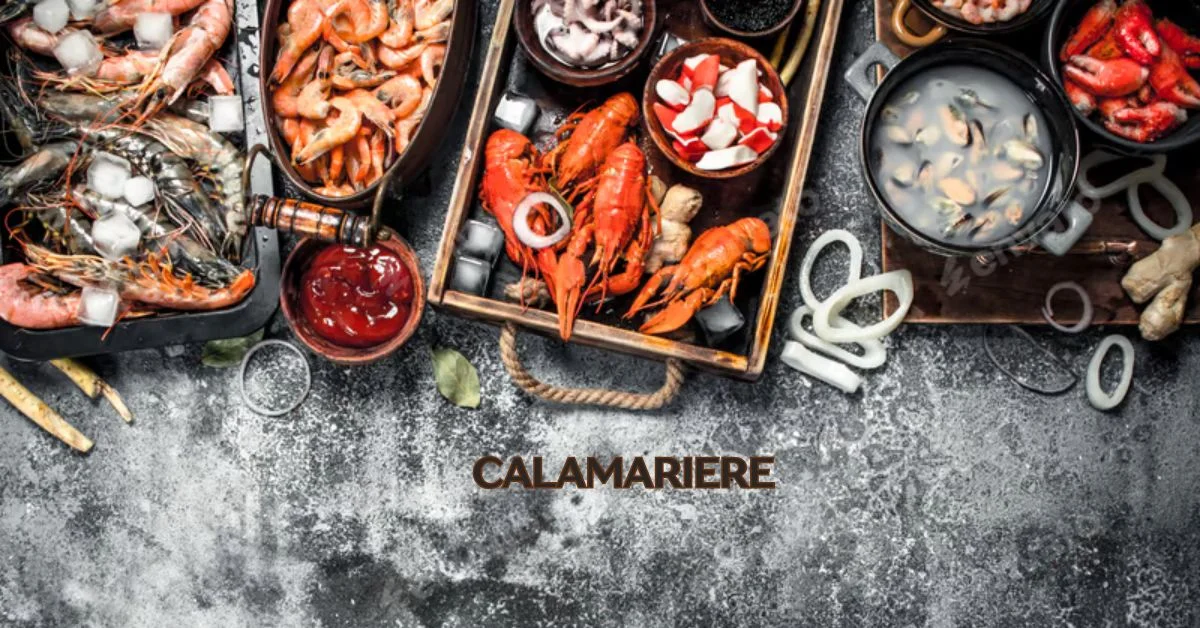
Introduction to Calamariere
Nestled along the sunny coasts of Italy lies a seafood delight that captures the essence of coastal charm—calamariere. This exquisite dish, brimming with flavor and tradition, brings together fresh ingredients sourced from the Mediterranean Sea. Whether you’re dining at a bustling trattoria in Naples or savoring it seaside in Sicily, calamariere promises to transport your taste buds on an unforgettable journey.
As we dive deeper into this culinary treasure, prepare to uncover its rich history, diverse variations across regions, and secrets for recreating this classic dish at home. Get ready to explore why calamariere is not just another meal; it’s an experience steeped in Italian culture and cuisine.
History and Origins of Calamariere
Calamariere has deep roots in Italian coastal cuisine, tracing back to ancient maritime traditions. Fishermen along the Mediterranean would often prepare their fresh catches using simple yet flavorful techniques.
The dish highlights squid, a key ingredient commonly found in southern Italian cuisine. Its origins can be linked to Sicily and Campania, where seafood is celebrated for its freshness and quality. Historical records indicate that calamariere was popular among local communities who relied on the sea for sustenance.
As trade grew, so did variations of this beloved dish. Different regions began incorporating unique ingredients based on local produce and culinary customs. This adaptability helped calamariere evolve over centuries while retaining its core essence: showcasing the delicate flavors of squid.
Today, it reflects the rich tapestry of Italian culture—where tradition meets innovation—and continues to delight food lovers around the world with each tender bite.
The Ingredients and Preparation of Calamariere
Calamariere is a delightful dish, showcasing the best of coastal Italian cuisine. The star ingredient, squid, must be fresh and tender. Its delicate flavor forms the foundation of this seafood classic.
Preparation begins with cleaning the squid. This step ensures all unwanted bits are removed for that smooth texture. Afterward, it’s cut into rings or left whole each method offers a unique eating experience.
Next comes seasoning. Garlic, parsley, and chili flakes often take center stage here. A splash of olive oil enriches each bite, bringing added depth and flavor.
Cooking methods vary; however, grilling or frying is common to achieve that perfect balance between crispiness and tenderness. A sprinkle of lemon juice right before serving brightens up the flavors beautifully.
This combination creates an aromatic dish that transports diners straight to Italy’s sun-kissed shores with each mouthful.
Popular Variations and Regional Differences
Calamariere showcases Italy’s rich culinary diversity through its various regional adaptations. In the coastal town of Amalfi, local chefs often incorporate lemon zest and fresh herbs to enhance the dish’s vibrant flavors.
Moving north to Liguria, you might find calamariere served with a drizzle of pesto, blending seafood with this beloved green sauce for an unforgettable taste experience.
In Sicily, variations feature a spicier twist using chili flakes and capers, reflecting the island’s bold approach to flavor. Each region adds its unique flair while preserving traditional techniques.
Additionally, some areas substitute squid with other seafood like octopus or shrimp, showcasing what is locally available and fresh. These alterations not only celebrate local ingredients but also highlight each region’s distinct cultural identity in Italian cuisine.
Where to Find the Best Calamariere in Italy
Italy is a treasure trove for seafood lovers, and finding the best calamariere is an adventure worth undertaking. Coastal towns like Amalfi and Positano boast charming restaurants where fresh catches shine.
Explore small, family-run trattorias in these areas. Locals often know the hidden gems serving authentic dishes passed down through generations. Ask around; word of mouth can lead you to exceptional finds.
In cities such as Naples, head to bustling markets or local eateries that focus on traditional cuisine. The bustling atmosphere adds to the experience while you savor your dish.
Don’t overlook coastal Sicily either—places like Catania offer their own spin on this classic meal. With stunning views of the Mediterranean, dining here becomes an unforgettable experience.
Each region brings unique flavors and styles to calamariere, making every bite a new discovery waiting to be savored.
Pairing Suggestions with Wine and Other Dishes
Calamariere is a dish that calls for thoughtful pairing to enhance its rich flavors. A chilled, dry white wine such as Verdicchio or Pinot Grigio pairs perfectly with the seafood, enhancing its delicate flavors. These wines bring out the delicate taste of calamari while balancing any spicy elements in the dish.
For those who prefer red, a light-bodied option such as Chianti can work wonders too. Its acidity cuts through richness without overpowering the meal.
When it comes to side dishes, consider serving fresh arugula salad drizzled with lemon vinaigrette. The peppery notes of arugula elevate the overall experience.
A simple garlic bread or traditional focaccia adds texture and warmth to your dining table, making every bite more fulfilling. Enjoying calamariere with these pairings ensures an unforgettable culinary journey that transports you straight to Italy’s coastal towns.
Recreating the Experience at Home: Recipes for Homemade Calamariere
Creating your own calamariere at home is a delightful adventure. Start with fresh squid, as this will elevate your dish significantly. Clean the squid thoroughly, removing skin and innards.
For the marinade, mix garlic, olive oil, lemon juice, and parsley in a bowl. Let the squid soak for about 30 minutes to absorb those vibrant flavors.
Next comes cooking time. Grill or sauté until tender—this usually takes only a few minutes per side. Be careful not to overcook it’s important to achieve that ideal al dente texture.
Serve on a bed of arugula or alongside crusty bread to soak up those delicious juices. A sprinkle of chili flakes can add an extra kick if desired.
Pair your homemade calamariere with a crisp white wine like Pinot Grigio for an authentic Italian touch right in your kitchen!
Conclusion: Why Calamariere Deserves a Spot on Every Seafood Lover’s Plate
Calamariere is a tribute to Italy’s rich culinary legacy, seamlessly fusing time-honored tradition with the allure of coastal flavors. This delightful dish encapsulates the essence of Italian seafood cuisine and offers an experience that extends beyond mere taste.
The unique combination of fresh ingredients and traditional preparation methods makes calamariere not just a meal but a celebration of flavors. Each bite transports you to sun-kissed shores and bustling fish markets, where quality reigns supreme.
With its many variations across regions, from the spicy versions found in southern Italy to milder interpretations up north, calamariere caters to diverse palates. Whether enjoyed at an authentic trattoria or crafted in your own kitchen, it’s accessible yet sophisticated.
Pairing calamariere with a glass of crisp white wine enhances its nuances while complementing other dishes creates a memorable dining experience worthy of any occasion.
If you’re seeking something extraordinary for your next meal or gathering, look no further than this iconic Italian seafood delight. Embrace the charm and savor every moment spent indulging in this must-try dish that captures both heart and palate alike.


-

 Business3 months ago
blog wizzydigital. org: Expert Tips for Marketing and Web Success
-

 Business4 months ago
contact crypticstreet.com: Secure Trading and Cross-Chain Access
-

 Entertainment5 months ago
هنتاوي.com: Latest Anime Updates and Arabic Fan Community
-
 Food & Drinks4 weeks ago
Calamariere: Italian Seafood Tradition with Coastal Charm
-

 General5 months ago
Aroace Guide: Meaning, Usage, and Community Symbols
-

 Health6 months ago
DoctorHub360.com Amino Acids: Transforming Modern Healthcare
-

 General1 month ago
Sodiceram: Reinventing Ceramics with Sodium Tech
-

 Technology6 months ago
www.aeonscope.net: Explore Data Analytics and Digital Trends